




The Connected Future: How IoT is Transforming the Digital World
Discover how the Internet of Things (IoT) is connecting devices, people, and data to create smarter businesses and more efficient digital ecosystems. Learn about the benefits, applications, and future of IoT-enabled technologies.
The Connected Future: How IoT is Transforming the Digital World
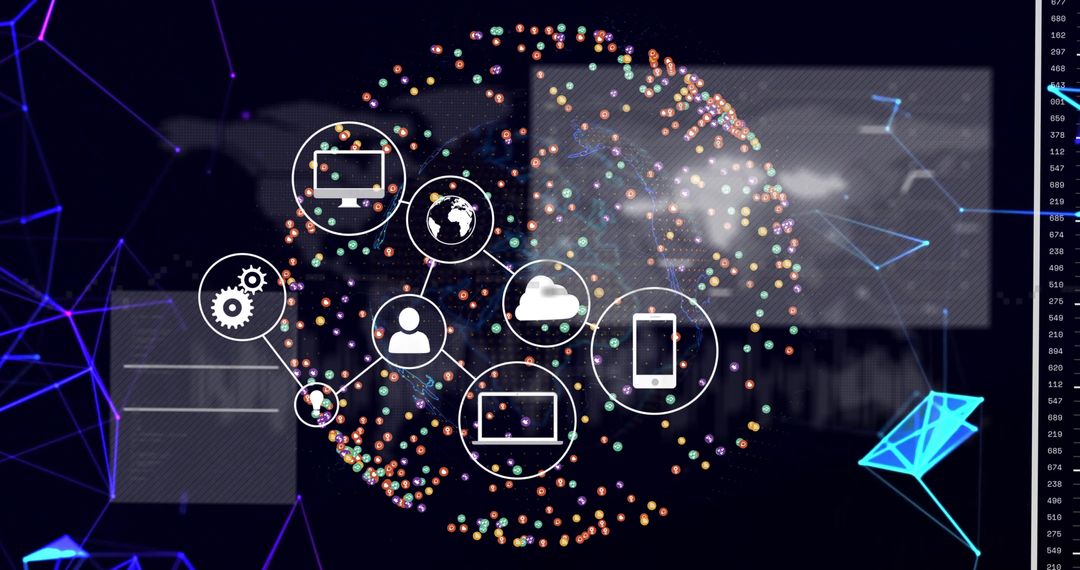
In today's rapidly evolving digital landscape, connectivity is no longer limited to computers and smartphones. The Internet of Things (IoT) has emerged as a revolutionary technology that enables devices, machines, sensors, and systems to communicate and exchange data seamlessly across networks. The image above illustrates a globally connected ecosystem where cloud platforms, mobile devices, computers, users, and smart systems work together to create an intelligent digital environment.
What is the Internet of Things (IoT)?
The Internet of Things refers to a network of physical devices embedded with sensors, software, and communication technologies that allow them to collect, transmit, and process data over the internet. These devices can range from smart home appliances and wearable gadgets to industrial machinery and healthcare equipment.
By connecting devices to a centralized platform, organizations can monitor operations, automate processes, and make data-driven decisions in real time.
Key Components of an IoT Ecosystem
The image highlights several essential elements of a modern IoT infrastructure:
1. Connected Devices
Smartphones, laptops, sensors, and embedded systems collect valuable information from their environment and communicate with other devices.
2. Cloud Computing
Cloud platforms act as the central hub for storing, processing, and analyzing massive amounts of IoT-generated data.
3. Users and Applications
Users interact with connected systems through applications, dashboards, and web portals, gaining insights and control over devices.
4. Data Analytics
Collected data is analyzed to identify trends, optimize performance, and improve decision-making.
5. Global Connectivity
IoT devices communicate across geographical boundaries, enabling businesses to manage operations from anywhere in the world.
Benefits of IoT Technology
Enhanced Operational Efficiency
IoT automates repetitive tasks and streamlines workflows, reducing manual intervention and improving productivity.
Real-Time Monitoring
Organizations can continuously monitor assets, equipment, and systems, allowing immediate response to issues before they become critical.
Cost Reduction
Predictive maintenance and automated processes help minimize downtime and operational expenses.
Improved Customer Experience
Connected products provide personalized services, real-time updates, and seamless user experiences.
Data-Driven Decision Making
Businesses gain actionable insights from real-time data, enabling smarter strategic decisions.
Real-World Applications of IoT
Smart Homes
Connected lighting, security systems, thermostats, and appliances improve convenience and energy efficiency.
Healthcare
Wearable devices and remote monitoring systems enable healthcare professionals to track patient health in real time.
Industrial IoT (IIoT)
Manufacturing companies use IoT sensors to monitor machinery, predict maintenance needs, and optimize production processes.
Smart Cities
Traffic management, waste collection, public safety, and energy distribution systems become more efficient through IoT integration.
Agriculture
Farmers use connected sensors to monitor soil conditions, weather patterns, and crop health, improving yields and resource management.
Challenges in IoT Adoption
While IoT offers significant advantages, organizations must address several challenges:
- Data security and privacy concerns
- Network reliability and connectivity issues
- Device interoperability
- Scalability requirements
- Regulatory compliance
Implementing robust cybersecurity measures and choosing scalable IoT platforms are critical for long-term success.
The Future of IoT
The future of IoT is being shaped by emerging technologies such as Artificial Intelligence (AI), Machine Learning (ML), Edge Computing, and 5G connectivity. Together, these innovations will enable faster data processing, intelligent automation, and more responsive systems.
As billions of devices continue to come online, IoT will play a central role in building smarter homes, businesses, industries, and cities.
Conclusion
The visual representation of interconnected devices, cloud systems, and global networks perfectly captures the essence of the Internet of Things. IoT is no longer a futuristic concept—it's a transformative technology that is reshaping how people, devices, and businesses interact. Organizations that embrace IoT today will be better positioned to improve efficiency, drive innovation, and gain a competitive advantage in the digital era.
Keywords: Internet of Things, IoT Solutions, Smart Devices, Connected Technology, Cloud Computing, Industrial IoT, Digital Transformation, IoT Applications, Smart Cities, Real-Time Data Analytics.